Southeast Asian Smart Home Markets
- Home
- News
- Southeast Asian Smart Home Markets
Smart home light switch technology is spreading around the world at an alarming rate, revolutionizing how home lighting systems are managed. Among them, smart lighting switches, as the core device for control and connection, are favored by users everywhere because of their convenience, energy-saving effect, and integration with smart ecosystems. However, the demand for these switches in different countries and regions shows significant differences in the application of smart switches due to differences in cultural preferences, building standards, network infrastructure, economic conditions, and user needs. For companies hoping to stand out in this highly competitive field, an in-depth study of these regional differences will reveal the diversity of global smart home development help understand market trends, and help companies optimize their products according to local needs. Adjust products and strategies according to demand and lay the foundation for launching innovative products that better meet local needs.
Southeast Asian Market: Price Sensitivity And Functionality Are Equally Important
-
Market characteristics:
In the Southeast Asian market, the development of smart switches shows the distinctive feature of “paying equal attention to price sensitivity and functionality”. Smart home lighting switches in Southeast Asia tend to meet basic intelligent needs and pay more attention to the practicality of the product. Moreover, due to the high temperature and high humidity in Southeast Asia’s climate, products must also be easy to use and durable. Consumers in Southeast Asia are more price-sensitive, and reasonable prices make it easier to gain the trust of consumers. Therefore, smart switches that are cost-effective, simple to operate, and easy to install and maintain are more likely to be favored.
-
Consumer preferences:
With the growth of the middle class and the improvement of urbanization in Southeast Asia, especially the development of infrastructure in countries such as Thailand, Vietnam, and Malaysia, there are an increasing number of new housing and renovation projects. More and more families are beginning to pay attention to smart home devices. Switches are gradually becoming one of the standard configurations considered by developers and owners. However, due to limitations in economy and consumption capacity, Southeast Asian consumers prefer smart switches that are affordable and simple to operate and expect reliable and durable smart devices within a reasonable price range.
-
Challenges:
The diversity of the Southeast Asian market brings great challenges to companies that want to enter. First of all, in terms of language, the languages of Southeast Asian countries are very diverse, including English, Thai, Indonesian, Malay, and Vietnamese. In addition, the power standards of each country are quite different. For example, Singapore uses 220V voltage, while the Philippines and Japan use 110V system. Additionally, there are differences in how the wires are connected and the size of the switch base. Facing diversified market demands, companies need to fully consider local adaptation issues in product design.
The Impact Of Technology And Cultural Differences On Smart Home Light Switches
-
Impact of technical differences:
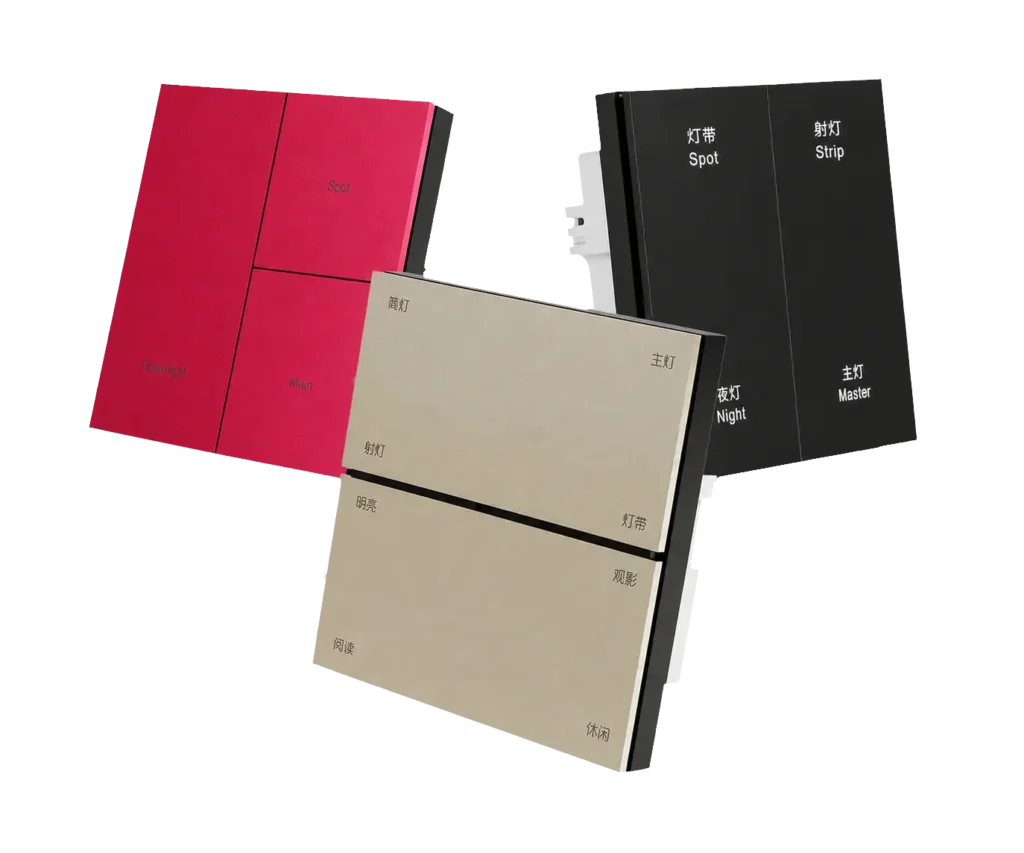
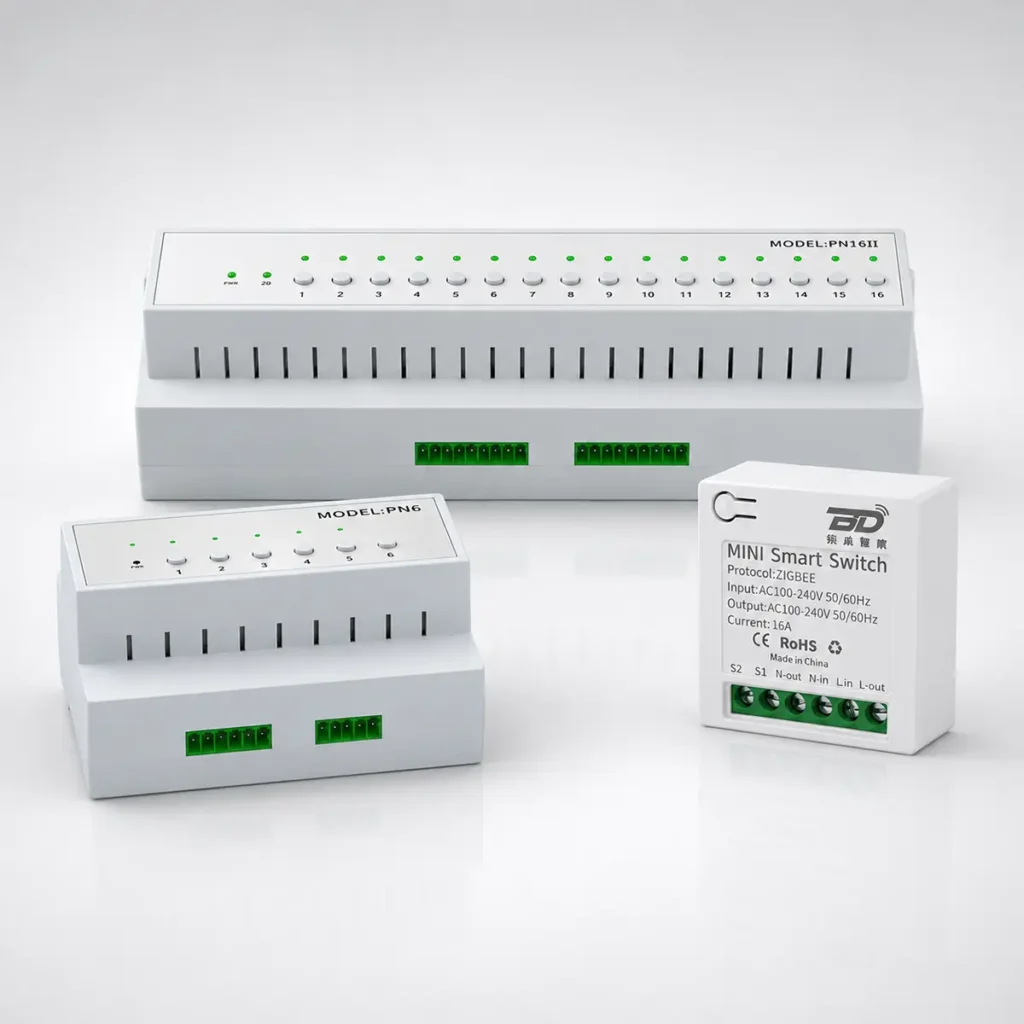
There are great differences in power systems in different countries and regions. For example, North America generally uses 110V voltage, while Europe and most Asian countries use 220-240V voltage. This means that smart switches must have voltage compatibility and be designed with different products for 110V and 220V voltages to meet global market needs. In addition, the switch’s wiring method and bottom box size vary from place to place. Europe usually uses a round bottom box, while China, Southeast Asia and the Middle East market prefer a square bottom box. These technical differences require manufacturers to fully consider the diverse power standards and installation methods at the beginning of product design. There are also differences in network protocol adaptation. The US market has a higher acceptance of Z-Wave and Matter protocols, while the Chinese and Southeast Asian markets prefer Wi-Fi or Bluetooth direct connection products to reduce installation barriers and costs. Therefore, providing products that meet the local technology ecosystem for different regions is the key to improving market competitiveness.
-
The impact of cultural differences:
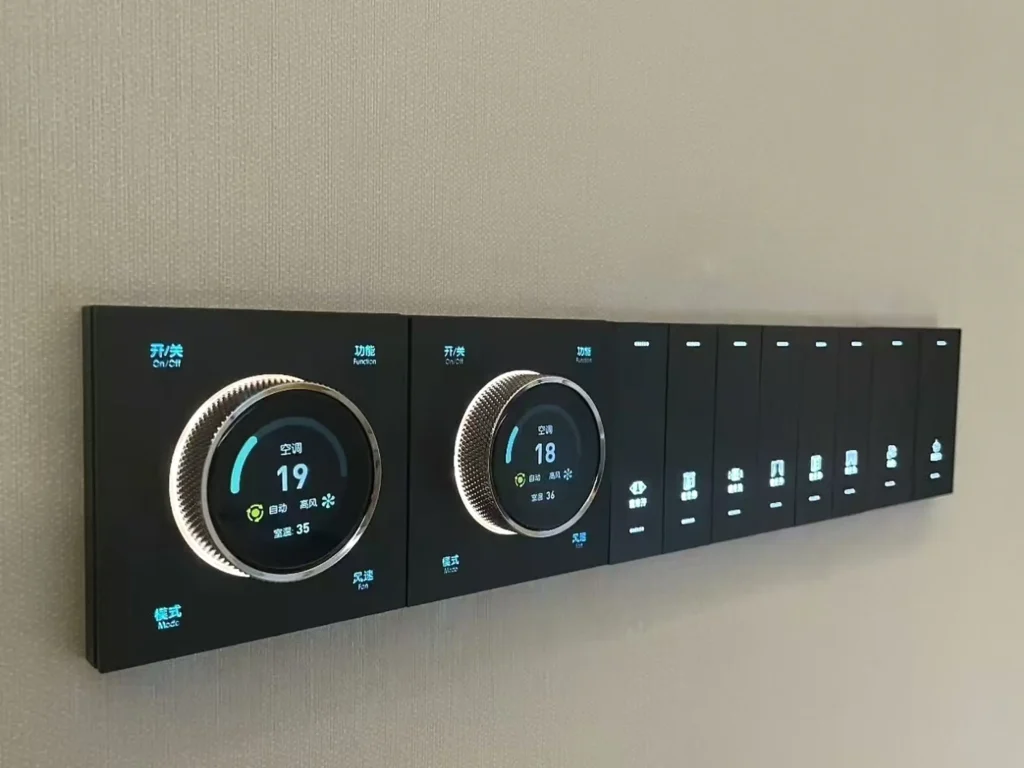
Cultural differences directly influence consumers’ preferences for product appearance and functionality. In Japan and South Korea, small, delicate, and easy-to-operate smart switches are more popular, whereas in Southeast Asia, consumers are more concerned with whether the product has basic smart features and whether the price is reasonable.
cooperation and compliance
Establishing a partnership with local partners is an effective way for smart switches to quickly enter the market. Local partners can not only provide accurate insights into market demand but also help companies cope with complex certification and regulatory processes. For example, in the Japanese and Korean markets, cooperation with local construction companies or home automation service providers can accelerate product entry into the channel; in Southeast Asia, cooperation with large retailers and e-commerce platforms can help cover a wider user group.
Regulatory compliance is also an element that companies must pay attention to. For example, CE certification is required to enter the European market, UL certification is required for the North American market, and CCC certification is required for the Chinese market. Strict compliance with local safety and environmental regulations is not only the basis for market access but also can enhance consumers’ trust in the brand.