Middle East Smart Home Markets

Smart home light switch technology is spreading around the world at an alarming rate, revolutionizing how home lighting systems are managed. Among them, smart lighting switches, as the core device for control and connection, are favored by users everywhere because of their convenience, energy-saving effect, and integration with smart ecosystems. However, the demand for these switches in different countries and regions shows significant differences in the application of smart switches due to differences in cultural preferences, building standards, network infrastructure, economic conditions, and user needs. For companies hoping to stand out in this highly competitive field, an in-depth study of these regional differences will reveal the diversity of global smart home development help understand market trends, and help companies optimize their products according to local needs. Adjust products and strategies according to demand and lay the foundation for launching innovative products that better meet local needs.

Banner Scene Middle East Smart Home Markets In the Middle East market, the development of smart switches presents a unique demand for both luxury and practicality. The smart home light switch is not only regarded as a functional device in the region but also a symbol of lifestyle. Especially in Dubai, Riyadh, and other places, large real estate developers tend to integrate smart lighting systems in new or renovated projects, not only satisfied with basic lighting control functions but also pursuing high-end design and advanced automation experience.

Middle East Market: Balance Between Luxury And Practicality

  • Market characteristics:

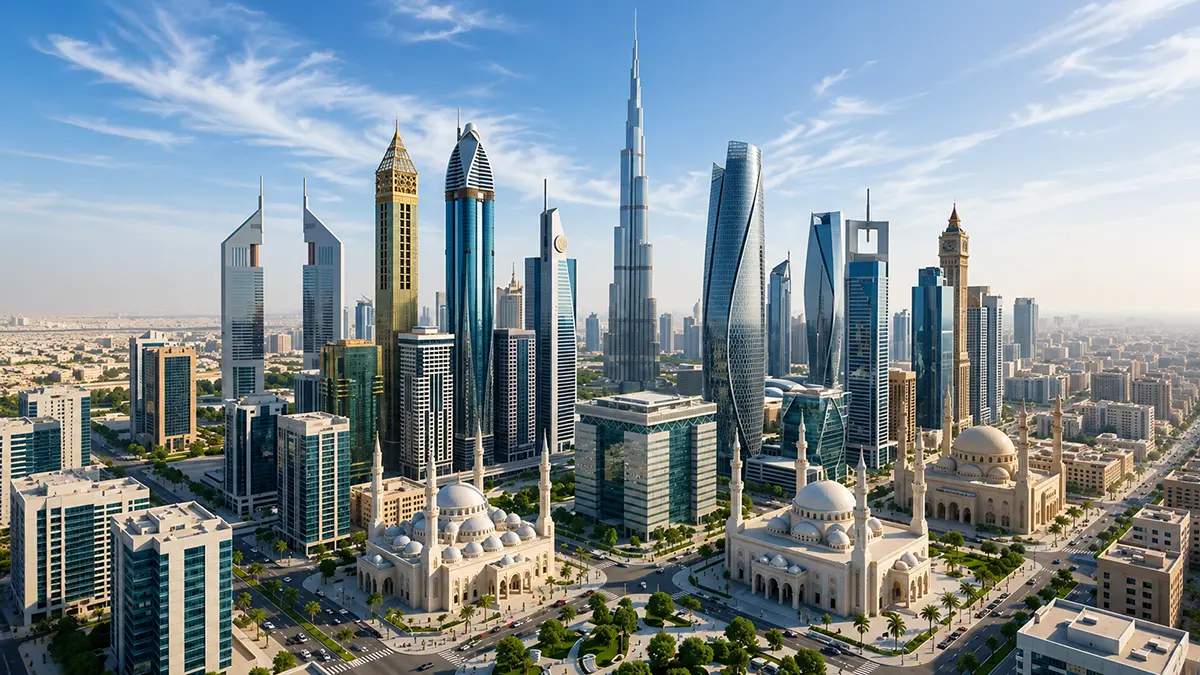
In the Middle East market, the development of smart switches presents a unique demand for both luxury and practicality. The smart home light switch is not only regarded as a functional device in the region but also a symbol of lifestyle. Especially in Dubai, Riyadh, and other places, large real estate developers tend to integrate smart lighting systems in new or renovated projects, not only satisfied with basic lighting control functions but also pursuing high-end design and advanced automation experience.

  • Consumer preferences:

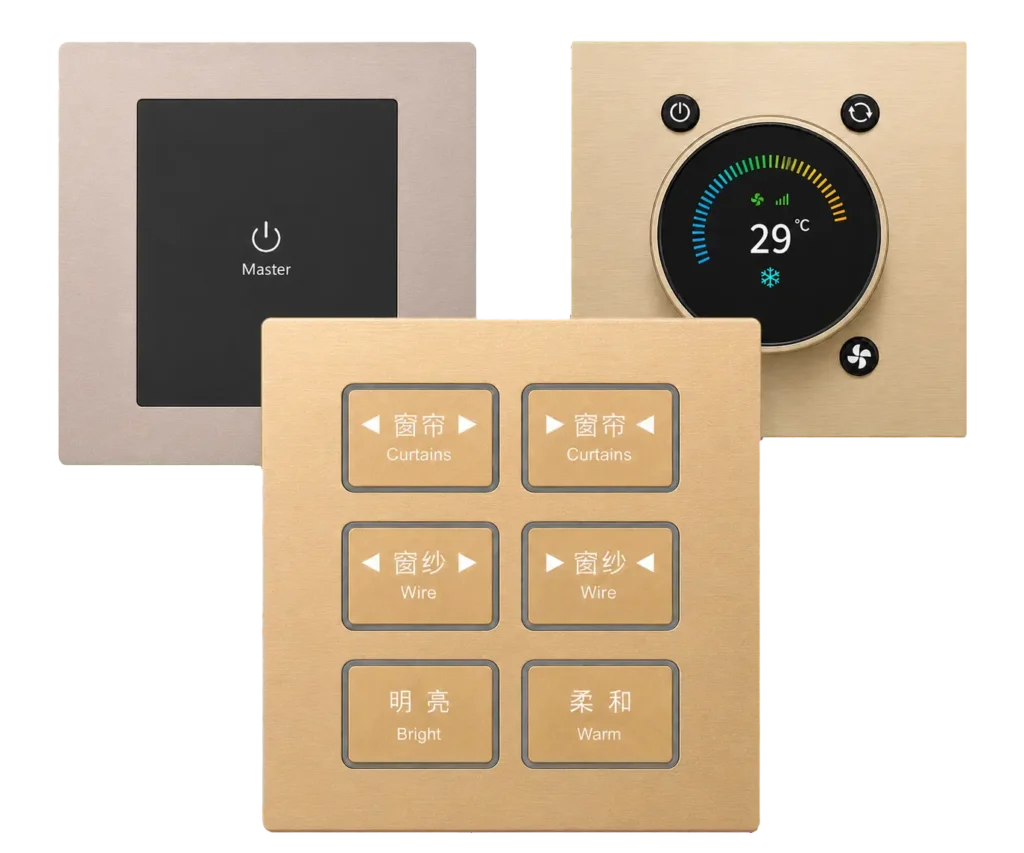
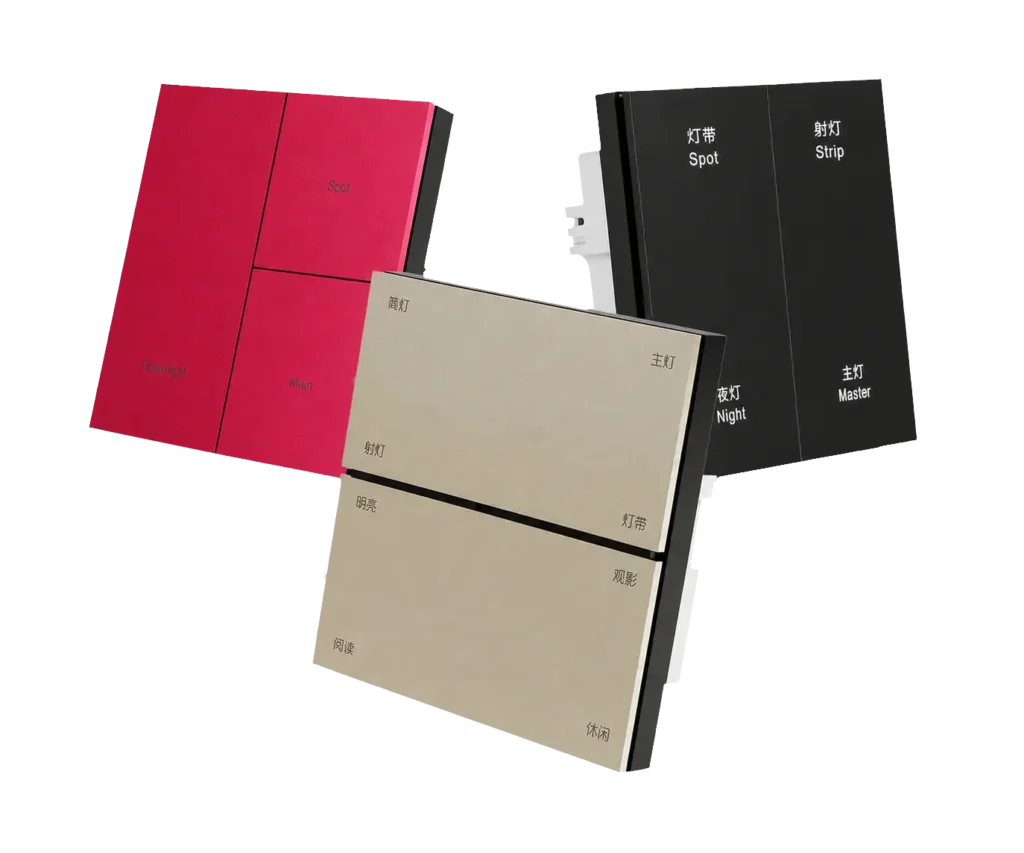
Consumers in the Middle East market have relatively ample budgets, especially high-end commercial projects, so they are relatively pursuing luxury. While pursuing luxury and high-end design, they also focus on practicality to enhance the overall value and user experience. For example, luxury appearance with touch control, metal or glass panels, customized backlight, etc., and coordinated with the home decoration style are particularly popular in luxury residences, star-rated hotels, and high-end office buildings.

  • Challenges:

The first major challenge faced in the Middle East market is that the climate is very hot, so there are high requirements for the durability of smart switches. The luxury materials pursued by consumers need to have the characteristics of high-temperature resistance and anti-fading. At the same time, due to the hot weather, the high-temperature resistance requirements of electronic components are also relatively high. In addition, the infrastructure in the Middle East is relatively complex, and the compatibility requirements for products are very high. The wiring and power systems used in many buildings are not tailored for smart devices, which requires smart switches to have stronger compatibility and adaptability in design.

Banner Switch01 Middle East Smart Home Markets In the Middle East market, the development of smart switches presents a unique demand for both luxury and practicality. The smart home light switch is not only regarded as a functional device in the region but also a symbol of lifestyle. Especially in Dubai, Riyadh, and other places, large real estate developers tend to integrate smart lighting systems in new or renovated projects, not only satisfied with basic lighting control functions but also pursuing high-end design and advanced automation experience.

The Impact Of Technology And Cultural Differences On Smart Home Light Switches

  • Impact of technical differences:

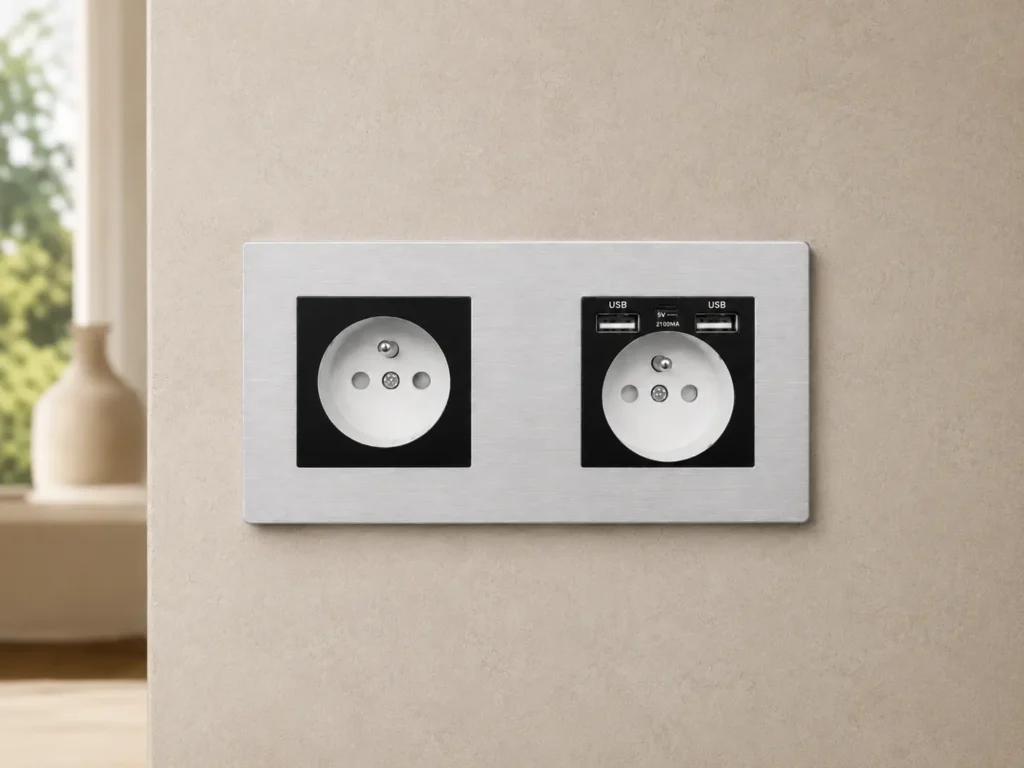
There are great differences in power systems in different countries and regions. For example, North America generally uses 110V voltage, while Europe and most Asian countries use 220-240V voltage. This means that smart switches must have voltage compatibility and be designed with different products for 110V and 220V voltages to meet global market needs. In addition, the switch’s wiring method and bottom box size vary from place to place. Europe usually uses a round bottom box, while China, Southeast Asia and the Middle East market prefer a square bottom box. These technical differences require manufacturers to fully consider the diverse power standards and installation methods at the beginning of product design. There are also differences in network protocol adaptation. The US market has a higher acceptance of Z-Wave and Matter protocols, while the Chinese and Southeast Asian markets prefer Wi-Fi or Bluetooth direct connection products to reduce installation barriers and costs. Therefore, providing products that meet the local technology ecosystem for different regions is the key to improving market competitiveness.

  • The impact of cultural differences:

Cultural differences directly influence consumers’ preferences for product appearance and functionality. Users in the Middle Eastern market have a higher demand for high-end luxury products and prefer smart switches with metal decorations or customized backlighting.

cooperation and compliance

Establishing a partnership with local partners is an effective way for smart switches to quickly enter the market. Local partners can not only provide accurate insights into market demand but also help companies cope with complex certification and regulatory processes. For example, in the Japanese and Korean markets, cooperation with local construction companies or home automation service providers can accelerate product entry into the channel; in Southeast Asia, cooperation with large retailers and e-commerce platforms can help cover a wider user group.

Regulatory compliance is also an element that companies must pay attention to. For example, CE certification is required to enter the European market, UL certification is required for the North American market, and CCC certification is required for the Chinese market. Strict compliance with local safety and environmental regulations is not only the basis for market access but also can enhance consumers’ trust in the brand.

滚动至顶部