Smart Switches VS Traditional Switches
- Home
- News
- Smart Switches VS Traditional Switches
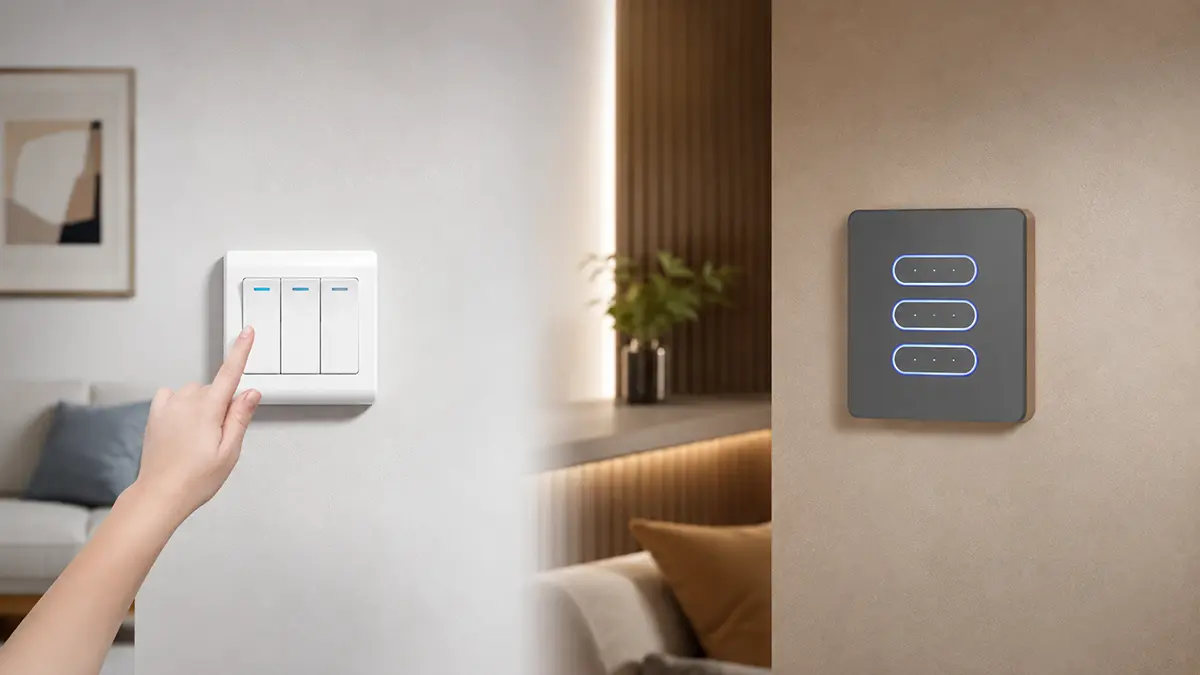
With the rise of the smart home concept, more and more households are focusing on how to enhance the comfort and convenience of daily life through technological means. In this trend, smart switches have gradually become an essential part of modern homes. Compared to traditional switches, smart switches not only offer a more convenient way to operate but also demonstrate significant advantages in energy efficiency and remote control capabilities. Therefore, understanding the differences between smart switches and traditional switches, as well as why upgrading to smart switches is crucial, is important.
1.Convenience of smart switches
- Customizable scene control
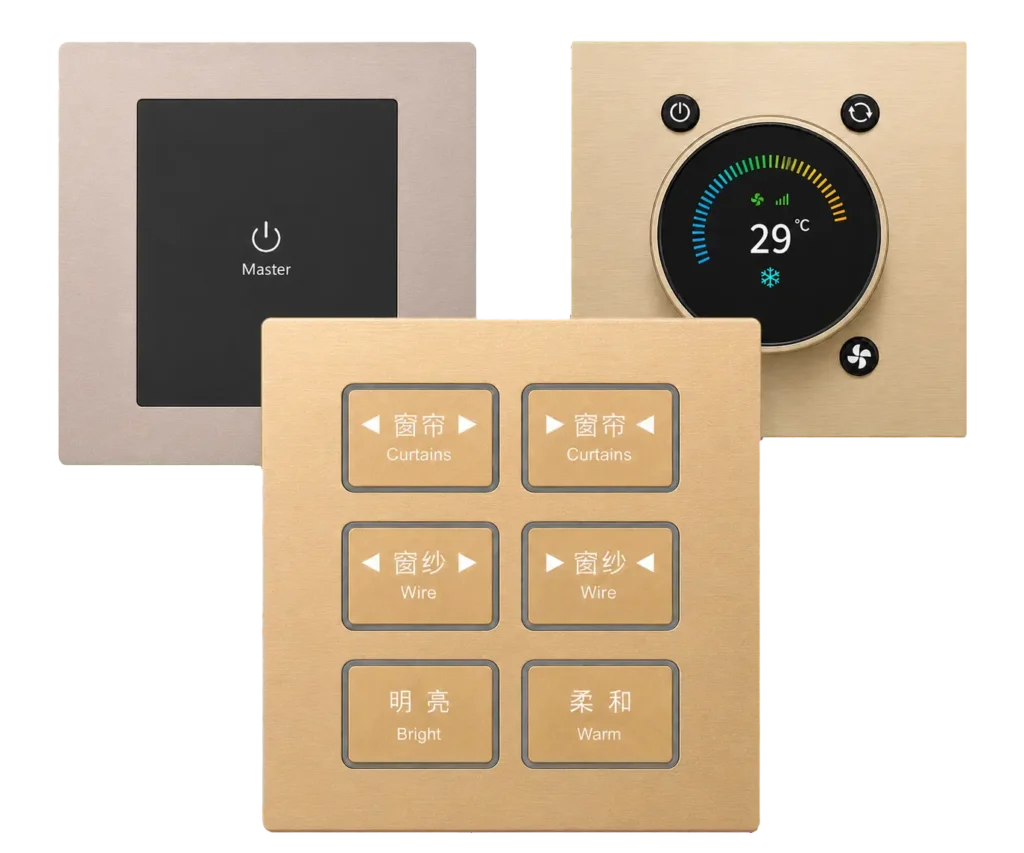
Smart switches allow users to preset lighting modes based on different needs and scenarios. For example, you can set a “movie mode” that dims the lights with one click while automatically turning on the TV or projector, creating a cinema-like atmosphere. This customizable scene control feature greatly enhances the convenience and comfort of home life.
- User Experience
The instant response feature of smart switches allows users to easily control home lighting through a smartphone or voice assistant, whether they’re at home or remotely. Unlike traditional switches that require manual operation, smart switches make lighting control simpler and more efficient.
- Compatibility with Other Smart Devices
Smart switches can seamlessly integrate with other smart home devices such as smart speakers, thermostats, or security systems to form a unified smart home ecosystem. This compatibility enables smart home devices to work together and provide users with a more comprehensive smart home experience.
2.Energy saving of smart switch
- Automation and energy-saving modes
Intelligent switches support automated settings, allowing for automatic adjustment of lighting based on time or environmental conditions, reducing unnecessary power consumption. For example, when no one is detected, the lights can automatically turn off to help users save energy.
- energy usage monitoring
The smart switch has energy monitoring function, allowing users to view and analyze electricity usage in real time through smartphone applications. This enables users to better manage energy consumption, reduce electricity bills, and promote a green lifestyle.
3.The advantages of remote control for smart switches
- Remote switch control
Smart switches allow users to remotely control lighting through smartphone applications, whether it’s turning off forgotten lights or turning on lights before returning home. This feature greatly improves the convenience of daily life.
- Scheduling and automation management
Smart switches allow users to set a schedule for turning on or off lights, or manage them through intelligent scenarios. Whether it’s morning light or night security, smart switches can automatically complete these tasks, making life more intelligent.
- Safety and protection functions
The remote control function of smart switches not only enhances home security, but also allows users to simulate someone at home by timed light switches when leaving home. It can also seamlessly link with intrusion alarm devices to prevent potential intruders.
4.frequently asked questions(FQA)
Is the smart switch compatible with existing home wiring?
Yes, most smart switches are designed to be compatible with existing home wiring.
Is the installation of smart switches complicated?
The installation of a Smart Switch is relatively simple, with most models being compatible with existing home wiring systems.
Will the smart switch still work without the internet?
In most cases, the intelligent switch can still be operated manually and automatically without Internet access.
Does the smart switch support multi-user control?
Yes, many smart switches support multi-user control to meet the needs of different family members.
How to choose the appropriate brand of smart switch?
When choosing a brand of smart switch, please consider its functionality, compatibility, multiple types of connected devices, and user feedback.